Author: Professor Ignatius Ezeani, CoSeC 2024 Fellow
Affiliation: Lancaster University
When I became a CoSeC Fellow in 2024, I saw it as more than an opportunity to develop a piece of research software. I saw it as a chance to join a community that understands something many researchers know well but do not always say out loud: good research increasingly depends not only on ideas, but also on the tools, infrastructure, collaborations and communities that allow those ideas to grow.
My work sits at the intersection of Natural Language Processing, Artificial Intelligence and the humanities. I am particularly interested in how we can build responsible, explainable and equitable language technologies that support marginalised communities, low-resource languages and complex cultural archives. These are areas where research software matters deeply. The questions are often human, historical and social, but the methods require robust computational tools, careful data handling and interdisciplinary collaboration.
Through CoSeC, I have had the space and support to think more carefully about how my research can move from individual experiments to reusable tools and shared community resources. This has been especially important for my work on extracting and analysing spatial, temporal and emotional information from narrative texts, including testimonies, cultural archives and other forms of historically significant data.
Working with collaborators
One of the most valuable aspects of the fellowship has been the emphasis on research communities. CoSeC does not treat software as an isolated technical product. Instead, it asks: who is this for, what research does it enable, and how can it be made useful beyond one person or one project? That perspective has helped me think more critically about sustainability, documentation, usability and the kinds of support researchers need when working across disciplines.
For example, in my own work, a tool is not useful simply because it can process text. It becomes useful when a historian, digital humanist, linguist, archivist or AI researcher can understand what it does, test it, question it and adapt it to their own context. CoSeC’s community-focused approach has encouraged me to pay closer attention to that wider ecosystem: not just the model or algorithm, but the people who will use, challenge and improve the work.
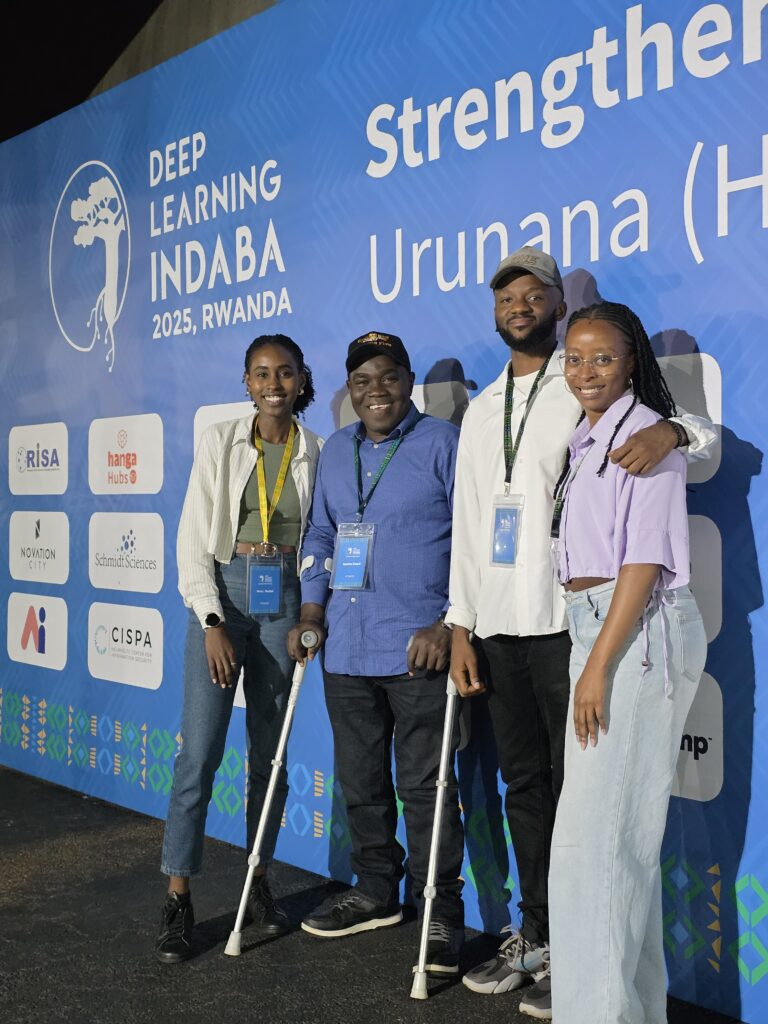
The fellowship has also supported my engagement with important international research communities. CoSeC sponsored my attendance at the Deep Learning Indaba 2026 in Rwanda, an event that is especially meaningful for researchers working on AI in and for Africa. The Indaba is not only a technical gathering. It is also a space where questions of inclusion, capacity building, language, infrastructure and local relevance are central to the conversation.
For me, attending the Indaba with CoSeC’s support was a reminder that responsible AI cannot be built from a single centre of power or knowledge. It requires many communities, many languages, many forms of expertise and many lived realities. As someone whose work is concerned with inclusive language technologies, this was both professionally valuable and personally motivating.
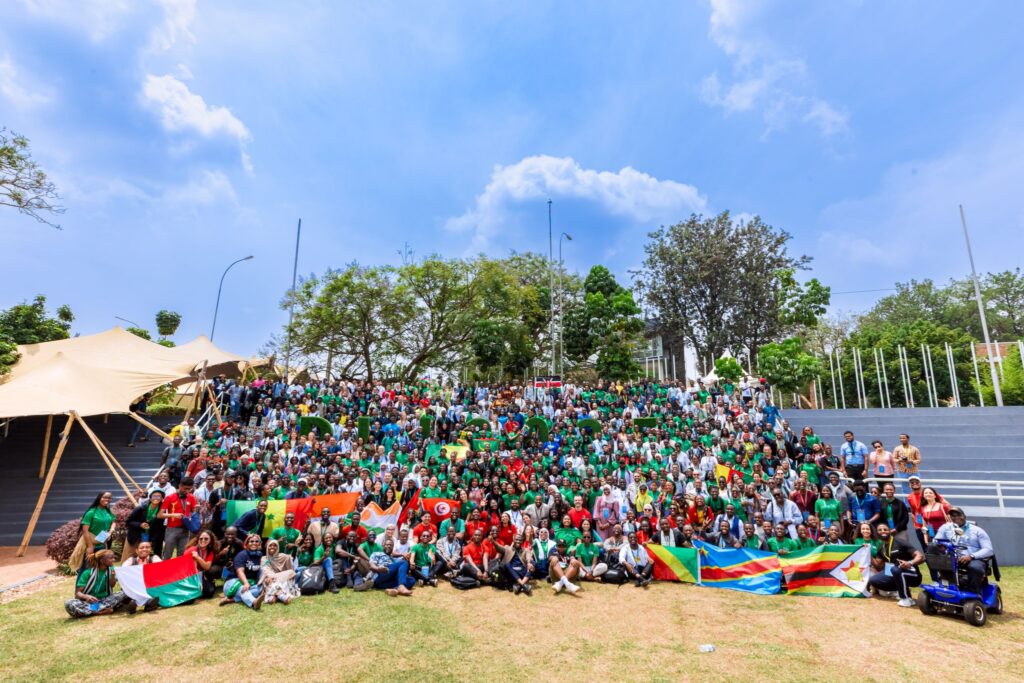
Deep Learning Indaba 2026 in Rwanda
CoSeC also supported my participation in the EACL conference in Morocco. This allowed me to engage with the wider computational linguistics and NLP community, present and discuss research ideas, and connect my work with current developments in language technology. Conferences like EACL are important because they expose our work to critique. They also help ensure that research developed in one setting can speak to broader international debates.
That exposure matters. My research involves questions about under-resourced languages, responsible AI, explainability and the interpretation of complex narrative data. These are not small technical problems with simple solutions. They require dialogue between different fields and communities. CoSeC’s support has helped me take part in those conversations, while also bringing lessons from them back into my own research practice.
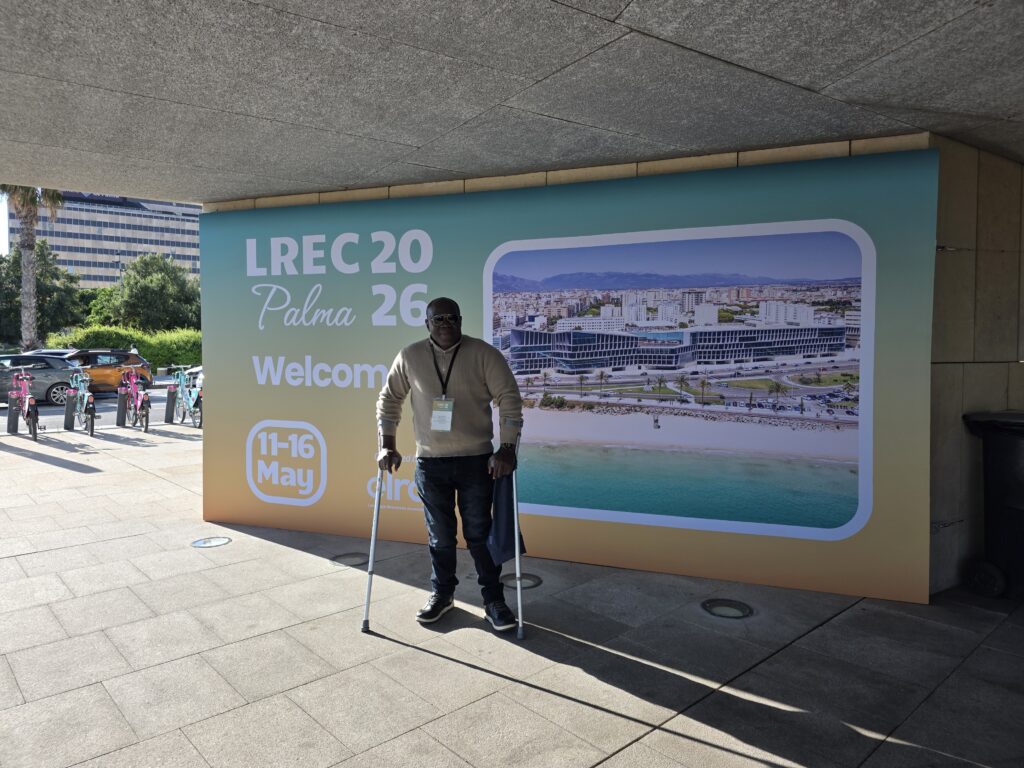
EACL in Morocco
Another important benefit of the fellowship has been confidence. Research software development can sometimes feel like invisible labour. Code, data pipelines, documentation and maintenance are often essential to research progress, but they are not always recognised in the same way as papers or grants. Being part of CoSeC has reinforced the value of that work. It has helped me see research software not as a side activity, but as a central contribution to open, reproducible and collaborative research.
This has influenced how I now think about my own projects. I am more attentive to whether my tools can be shared, whether others can run them, whether outputs are interpretable, and whether the work can support people beyond my immediate research group. These may sound like practical questions, but they are also ethical ones. If we want AI and computational research to be more equitable, then we need tools and infrastructures that more people can access, understand and shape.
Looking back, my CoSeC fellowship has supported me in three important ways. First, it has strengthened the technical and software-facing side of my research. Second, it has expanded my connection to national and international research communities. Third, it has helped me think more deeply about the relationship between responsible AI, research infrastructure and community engagement.
I am grateful to CoSeC for the support, encouragement and opportunities it has provided. The fellowship has helped me develop not only as a researcher, but also as someone committed to building tools and collaborations that are useful, inclusive and sustainable.
As AI continues to affect more areas of research and society, the role of communities like CoSeC will become even more important. We need spaces that bring together technical expertise, domain knowledge, research software practice and a commitment to public value. My experience as a CoSeC Fellow has shown me how powerful that combination can be.